
World Breastfeeding Week 2026: Vitamin Angels Is Strengthening What Works for Breastfeeding
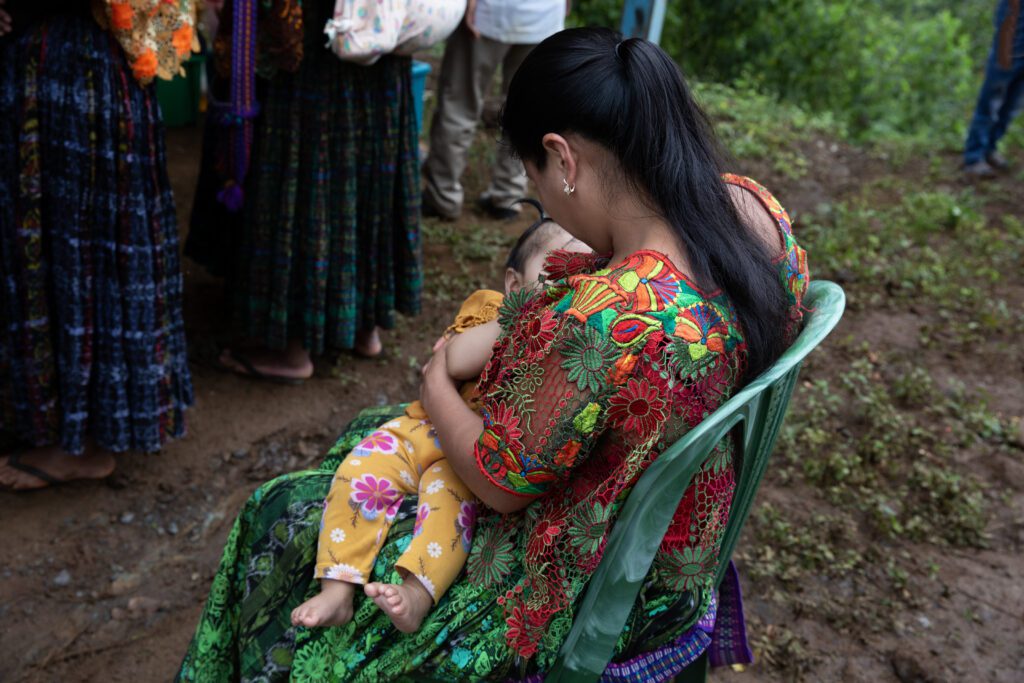
Breastfeeding can provide a strong nutritional foundation during a child’s earliest months. But breastfeeding does not happen in isolation, and sustaining it should not rest solely on mothers and caregivers.
Families need practical and trusted guidance, health workers with the knowledge and resources to support them, communities and workplaces that make breastfeeding possible, and health systems that listen and respond to their needs.
Globally, fewer than half of infants under six months are exclusively breastfed.1 The CDC emphasizes that improving breastfeeding outcomes requires coordinated, continuous support from pregnancy through weaning, including consistent, tailored, evidence-based counseling; strengthened capacity among health and lactation providers; and supportive policies, services, and environments across health care settings, communities, workplaces, child care, and social-support systems.2 Vitamin Angels’ echoes this sentiment in its 2025 Annual Impact Report, which emphasizes that improving breastfeeding and infant-feeding practices requires action at multiple levels.
This World Breastfeeding Week, Vitamin Angels is joining the call to strengthen what works by advancing evidence, listening to families, building the capacity of frontline providers, and working with partners to create more supportive environments for mothers, babies, and caregivers.
Supporting nutrition from pregnancy through early childhood
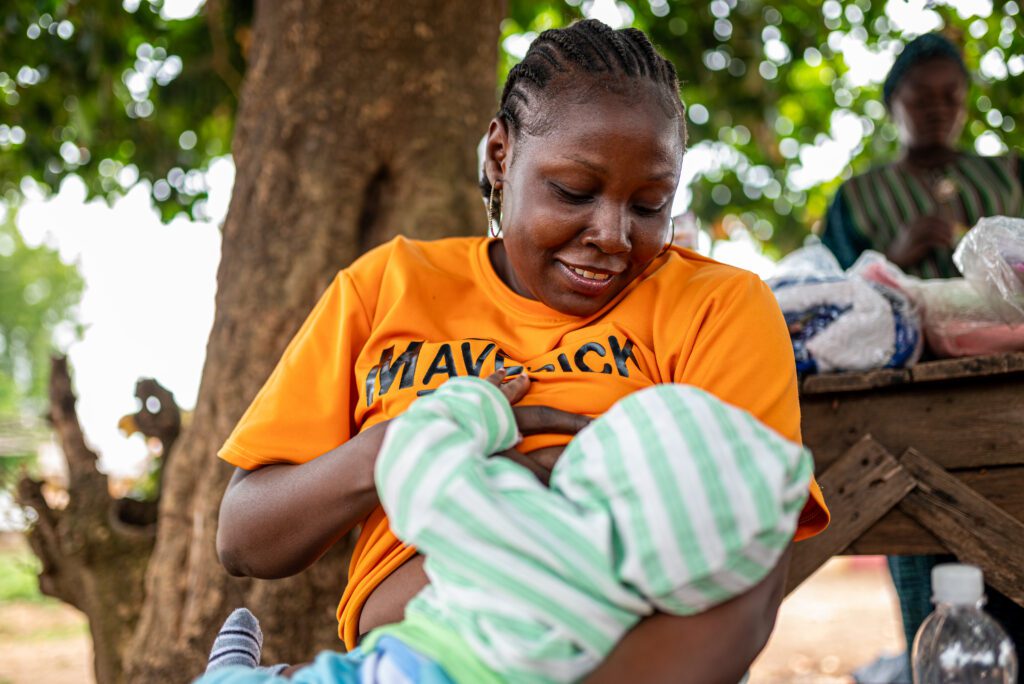
Pregnancy and early childhood are critical periods for brain development, physical growth, immune function, and long-term health. Vitamin Angels works with governments and local organizations to design and implement maternal, infant, and young child nutrition programs that support women and children from pregnancy through age five.
This includes promoting the early initiation of breastfeeding, exclusive breastfeeding during the first six months, continued breastfeeding alongside complementary foods through age two and beyond, and the introduction of safe, nutritious complementary foods beginning at six through 23 months.
This work reflects a broader understanding of nutrition and caregiving. Information alone is not enough. Mothers and caregivers also need consistent, respectful, and practical support as they navigate breastfeeding, complementary feeding, employment, family responsibilities, and children’s changing nutritional needs throughout the early years.
Strengthening what works in different contexts
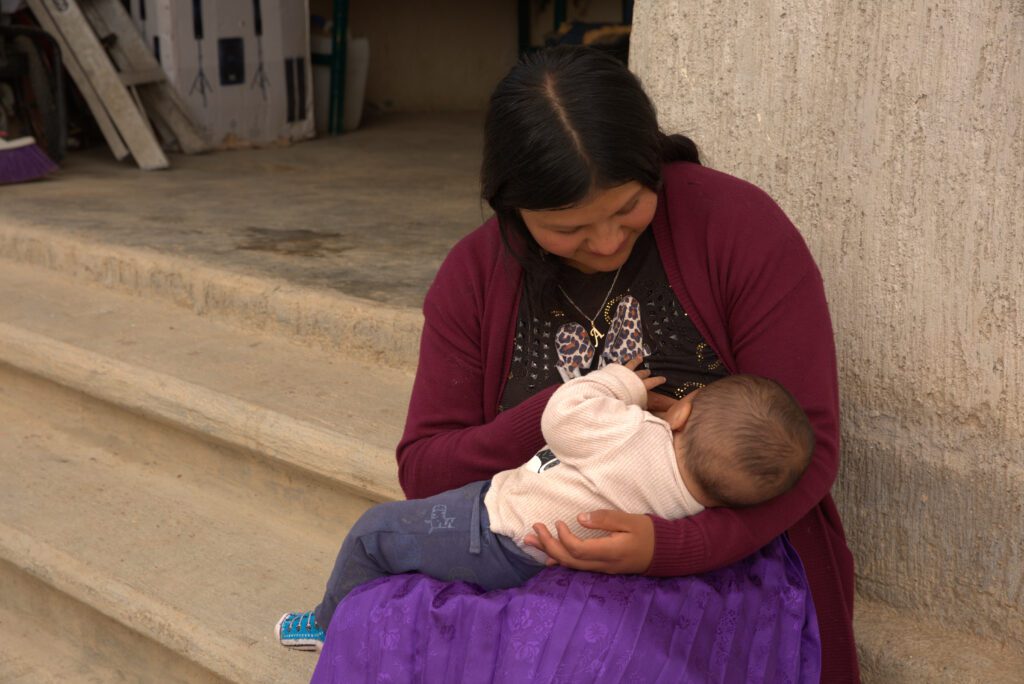
Arely and her family have plenty of hobbies! There is a guitar sitting in the corner of their home. Eriberto plays with toy cars, while baby Sebastian loves his rattles. Arely embroiders napkins when her kids are asleep. Like many community textiles, some of Arely’s designs feature butterflies, a sacred symbol to this Indigenous community situated on the edge of a monarch sanctuary.
Strengthening what works begins with understanding families’ experiences and the conditions that influence their feeding decisions. Evidence-based recommendations are essential, but they are most effective when programs also listen to mothers and caregivers, engage frontline providers, and adapt resources and services to the realities of each community.
In Mexico, Vitamin Angels continued supporting hospital-level breastfeeding action plans, including pretesting a new brochure with the Yucatán State Secretariat of Health, health providers, pregnant women, and breastfeeding mothers. Their feedback will inform final revisions, helping ensure the resource is practical, relevant, and responsive to the needs of families and frontline providers.
The Mexico complementary feeding project team also finalized its Trials of Improved Practices, or TIPS, report. The report synthesizes formative research conducted from 2022 to 2025 and identifies priority caregivers and feeding behaviors that can inform a future social and behavior change strategy. In parallel, the program team completed coaching with its partners to translate research findings and program priorities into one-year implementation plans for Vitamin Angels interventions.
Vitamin Angels is also generating evidence to better understand why recommended breastfeeding practices may be difficult to achieve in particular settings. In a rural US–Mexico border county, formative research explored prenatal breastfeeding intent and barriers to meeting those intentions among Latine families. By listening directly to mothers, caregivers, health workers, and other community members, the research can help identify practical opportunities to make breastfeeding support more responsive to families’ needs.
In 2025, Vitamin Angels partnered with more than 200 organizations, including WIC clinics, Federally Qualified Health Centers, and health departments, to strengthen maternal nutrition programs. Through formative breastfeeding research and efforts to integrate additional evidence-based services into its US programming, Vitamin Angels works with partners to identify and address gaps in maternal and infant health and nutrition. The goal is to ensure that families receive the support they need to meet their breastfeeding and nutrition goals and that providers have the tools and resources to support them effectively.
In the Philippines, Vitamin Angels supports the Barangay First 1,000 Days (BF1KD) initiative through the Transforming Lives Through Nutrition consortium. Mother-to-mother support groups provide spaces where caregivers and pregnant women can learn from one another and develop practical skills related to breastfeeding, complementary feeding, and maternal and child nutrition. Frontline health workers and trained volunteers connect families with trusted information and services in local barangays (villages). The initiative demonstrates that effective nutrition support depends on more than delivering information. It also requires community trust, trained providers, locally relevant materials, government engagement, and structures that can sustain services over time.
Across these settings, the approach is grounded in the same principle: effective breastfeeding and infant-feeding support must be evidence-based, locally informed, and designed around the experiences of the families and providers who will use it.
Building on a strong foundation
Vitamin Angels enters this next phase with a broad global platform. In 2025, the organization and its partners helped more than 74 million women and children access nutrition interventions across 65 countries and every US state. During its most recent three-year strategic cycle, Vitamin Angels trained more than 36,000 healthcare providers and community health workers and supported nine national governments in strengthening nutrition systems.
These accomplishments extend across Vitamin Angels’ broader maternal and child nutrition portfolio, but the capabilities behind them are also central to improving breastfeeding support: evidence, provider capacity, government partnership, community engagement, and systems that can consistently reach families.
Breastfeeding may begin with a mother and baby, but sustaining it is a shared responsibility.
This World Breastfeeding Week, Vitamin Angels recognizes the mothers, caregivers, researchers, health workers, community organizations, governments, and partners working to build environments in which families can make informed feeding decisions and receive the support they need.
Guided by science, strengthened by systems, and driven to scale, Vitamin Angels is working to turn evidence into action and help more women and children thrive.
1. Centers for Disease Control and Prevention. (2026, April 16). Strategies for continuity of care in breastfeeding.
2. World Health Organization. (n.d.). Breastfeeding. Retrieved July 20, 2026.