
Makueni County, Kenya: Begin Where We Are Now
Why Makueni County is the first in Kenya to put Multiple Micronutrient Supplements in the hands of every expectant mother
MAKUENI COUNTY, KENYA
This story is based on an interview with Governor Mutula Kilonzo Junior, Governor of Makueni County.
In meeting after meeting on maternal nutrition, the same proud statistic kept reaching Governor Mutula Kilonzo Junior (Governor Kilonzo): 98 percent of expectant mothers in Makueni County were taking iron and folic acid. And yet 44 percent were still anemic. “What is the problem with this?” he asked.
The answer was almost mundane. The tablet was bitter. Women were not swallowing it. A near-universal program was quietly falling short for the women and unborn children it was meant to protect .
Closing that gap is why Makueni, an arid and semi-arid county in southeastern Kenya where poverty runs near 39 percent, above the national average, became the first in the country to roll out Multiple Micronutrient Supplements(MMS). It is, Governor Kilonzo will tell you, a deliberate choice to lead from the county level.
A nutrition problem written into the land
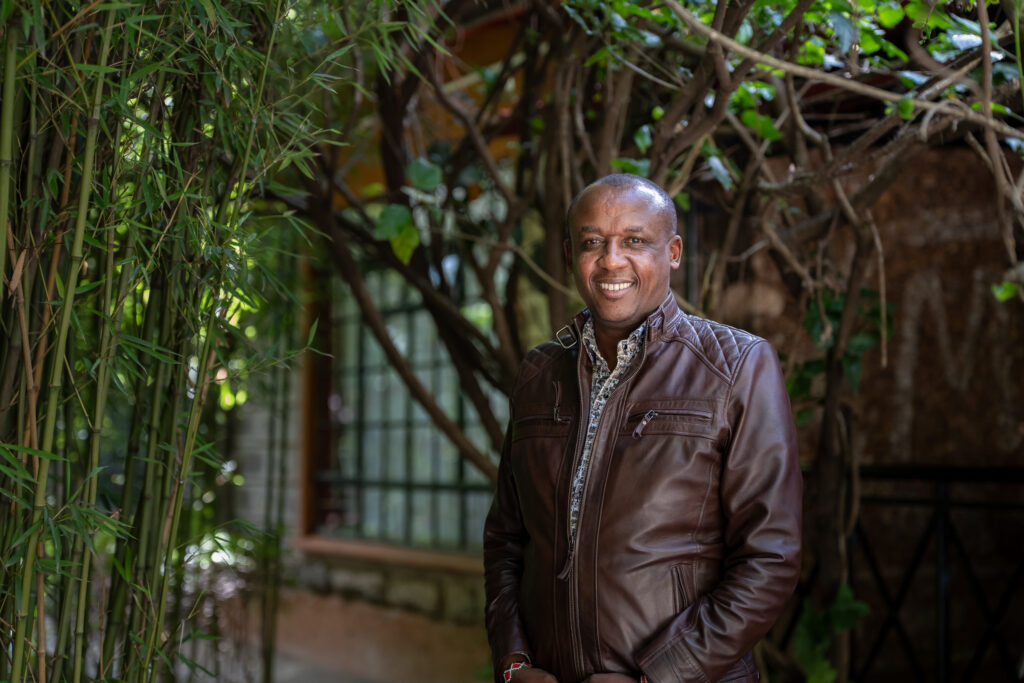
When Governor Kilonzo took office in 2022, the maternal picture appeared, on the surface, improving. Skilled birth attendance has since climbed from about 89 to 92 percent. More mothers are reaching a facility, and more outcomes can be measured. The county runs some 241 health facilities, from a single referral hospital down to roughly 3,600 community health promoters in the villages. Last year, the county logged about a million patient visits, equal to its entire population. Makueni delivers about 21,000 babies a year.
But the neonatal numbers gave him no peace. “That’s been a big concern for me,” he says, ticking through the losses: asphyxia, anemia, low birth weight, prematurity. Much of it, he believes, traces back to what a mother can eat and absorb during pregnancy in a dry land. “It is an arid area,” he explains. “So the food, the nutrients, and the supplements the mother takes during antenatal care, has had an effect on the children that are being delivered, at the tail end.”
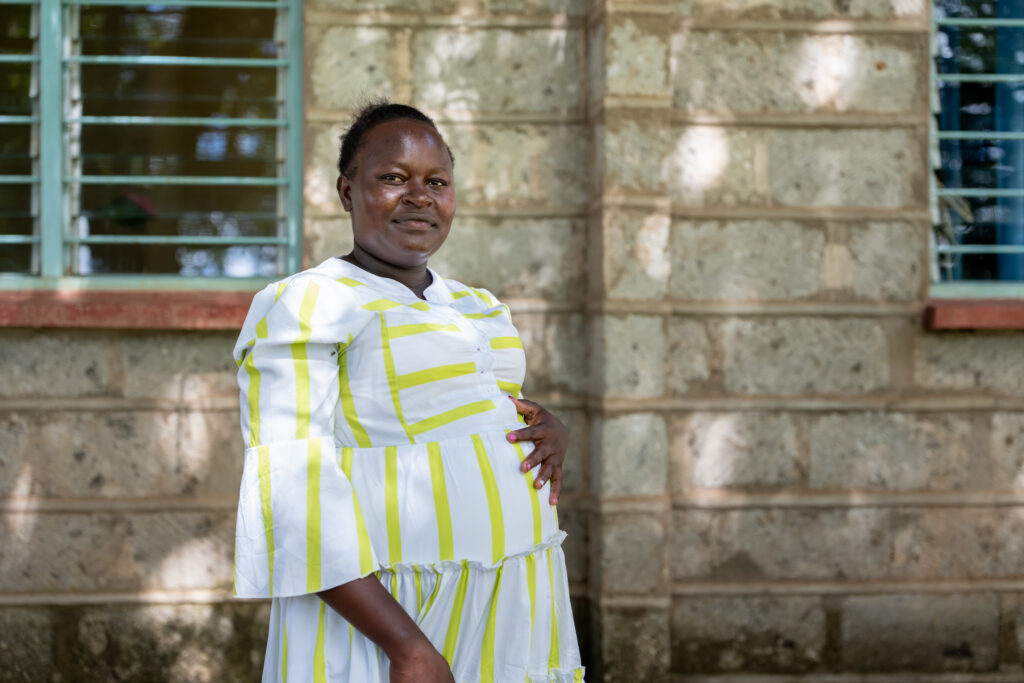
He also saw compounding risks: teen pregnancies, sometimes hidden out of shame, and a quiet burden of hypertension, preeclampsia, and eclampsia in mothers who were never diagnosed. He described how “Anemia in pregnancy in particular has not been given the attention it deserves.”
Why one tablet changes the math
That is the gap MMS is built to fill, and Governor Kilonzo made a point of understanding it himself. Iron and folic acid deliver only two nutrients in a tablet that many women found too bitter to take; MMS combines fifteen micronutrients in a single daily supplement, no blood test required. He was won over. “What a wonderful thing,” he recalls thinking, “to have fifteen nutrients in one tablet.”
He did not take it on faith. Before moving, he confirmed the supplement was approved by the World Health Organization and nationally. Once satisfied, he saw no reason to wait. “Two people at once, one tablet,” is how he puts it. “Mother and child taken care of, outcomes improved, so that we can have a future.” For a county trying to protect both the first 1,000 days of a child’s life and the mother’s own health, a supplement that does both, cheaply and without a clinic test, is real arithmetic.
Getting a supplement to actually reach women
A tablet only works if it gets swallowed, the lesson of the 44 percent. Governor Kilonzo has therefore pushed the county to build a deliberate system around delivery: community health promoters run nutrition education through every trimester; partners send SMS reminders. The county has even trained its boda boda motorcycle riders, the men who ferry expectant mothers between market, home, and clinic, as informal first responders, asking the women they carry: Have you attended your clinic? Have you taken your supplements?
Part of that strategy is personal to him: pulling men into a conversation from which they have traditionally sat out. “The community thinks that pregnancy and everything in between is a mother’s business,” he observes, and the meetings he attends fill with women only. His answer is what he calls the tone at the top. He has redesigned facilities around shared family units (where a father sits in on his wife and child’s care rather than dropping her at the door and leaving), and he insists the men come in. “This is not a women’s idea,” he says. “This is our agenda too.” He speaks, he notes, not only as Governor but as a husband and a father.
The same instinct showed up with postpartum hemorrhage. When the county made it a focus from 2023 to 2025, he reports, it lost no mothers to it, even as the effort surfaced the next layer of undiagnosed risks now drawing his attention.
A head start the region can inherit
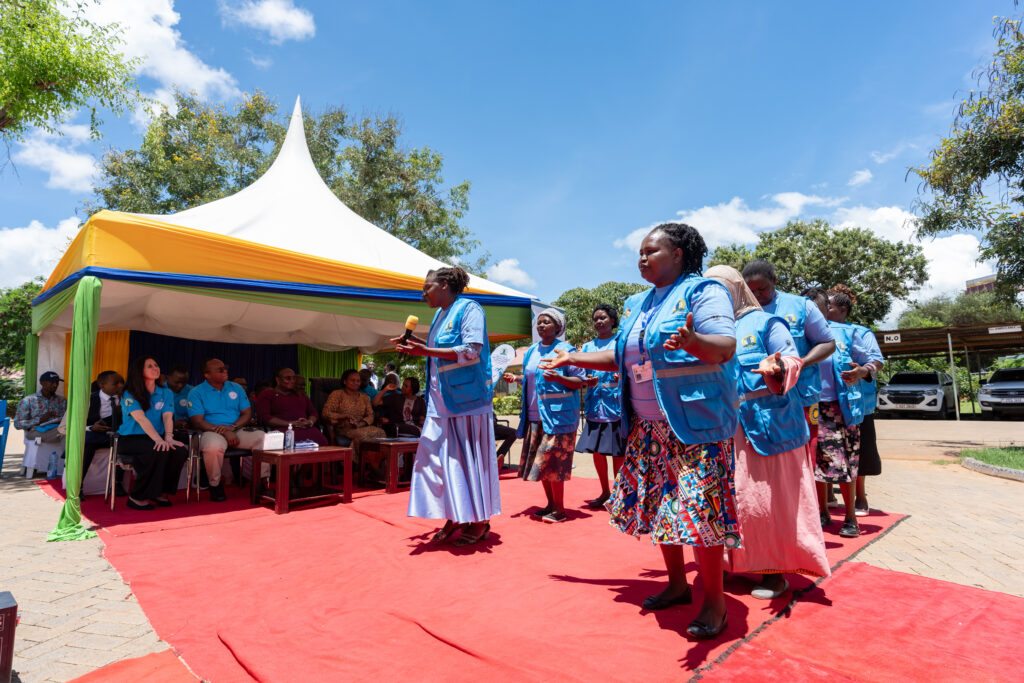
“I’m the happiest leader to be the first in the country to roll out MMS so that we can lead from the front, set a precedent, and be the trailblazer,” Governor Kilonzo shares. He describes how much of the groundwork was done with Vitamin Angels, which brought MMS and two years of research to Makueni. “Vitamin Angels are truly the proverbial angels,” Governor Kilonzo says; he admits he has been waiting for this moment. He frames the rollout less as a local win than as a benchmark others can copy. “Nobody needs to begin from where we started,” he says. “They begin from where we are now.” If the model holds, he wants MMS in facilities across the country and the wider region.
Women at the center
Underneath the logistics sits the argument Governor Kilonzo returns to most often, about who maternal health is really for. Women, he notes, are the majority and carry much of the community’s burden, yet their health has long been treated as a side conversation. “Women are not statistics,” he says. “They cannot be statistics.” His prescription is to put prevention at the center, walking a mother from her first antenatal visit to a healthy delivery rather than waiting for outcomes to turn into casualties. He invokes the Kenyan constitution’s promise that everyone has the right to live with human dignity, and argues that whoever wrote those words was thinking of a woman who carries a child for nine months and then delivers it.
For him, the stakes are not abstract. He has sat with families who lost a mother in childbirth, including a husband who lost his wife in the operating theatre, and calls those losses life-changing. He wants to lead a government that is human, he says, one that can shed tears. “If mothers were not taken care of,” he says, “I would not be speaking to you.”
That conviction now points at a concrete target: working with Vitamin Angels to get MMS onto Kenya’s Essential Medicines List and into every facility in the country. “Every woman matters,” he says. “And if we say that every woman matters, then we want to make sure that every outcome matters.”