
Reaching Underserved Communities Worldwide
Updated May 20, 2026
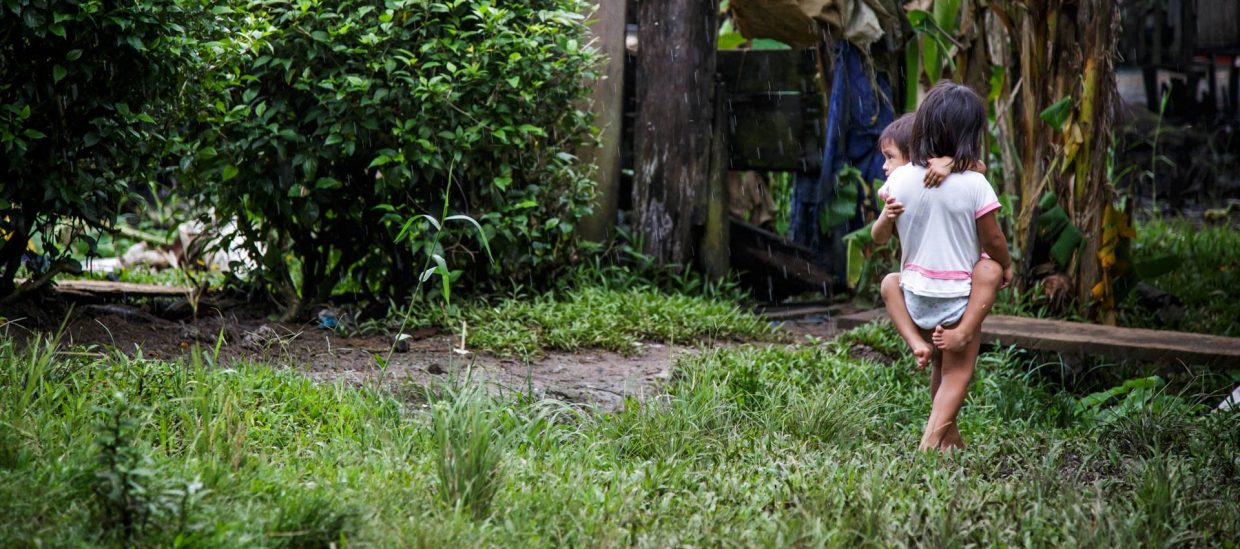
More than one billion women and children around the world are malnourished. Health systems and organizations serve a significant portion of those in need. Still, millions go without access to essential nutrition due to a complex mix of factors: geographic isolation, limited infrastructure, social norms, discrimination, and more. Vitamin Angels works alongside a network of program partners, including governments, to help fill those gaps and reach underserved communities.
Below, we share stories from some of the communities we serve — places where access is limited not by the will of the people who live there, but by circumstances far outside their control.
Panama
For island communities, boats are often the primary link to the rest of the world. The indigenous Ngöbe community on the island of Grand Bahia, Panama, are remarkably resourceful in meeting their everyday needs, but some challenges persist.
Fish is a natural food source, but nearly every other staple must be brought in by boat, making consistent access to nutritious foods a challenge for many families. The risk of malnutrition is especially significant for pregnant women and young children. Water contamination is common and sanitation infrastructure is limited, creating conditions where illnesses and parasitic infections are ongoing concerns for community members, including children.
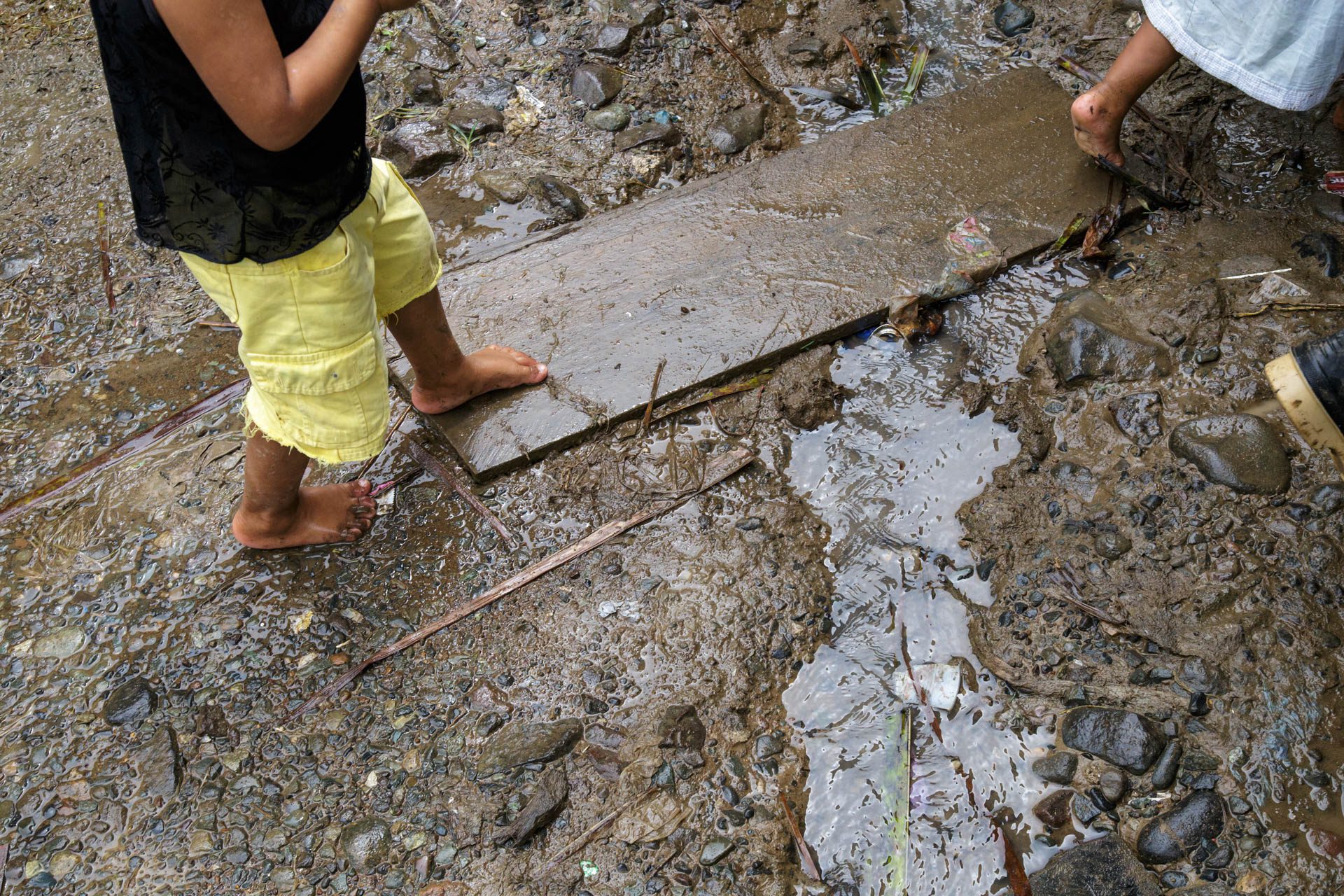
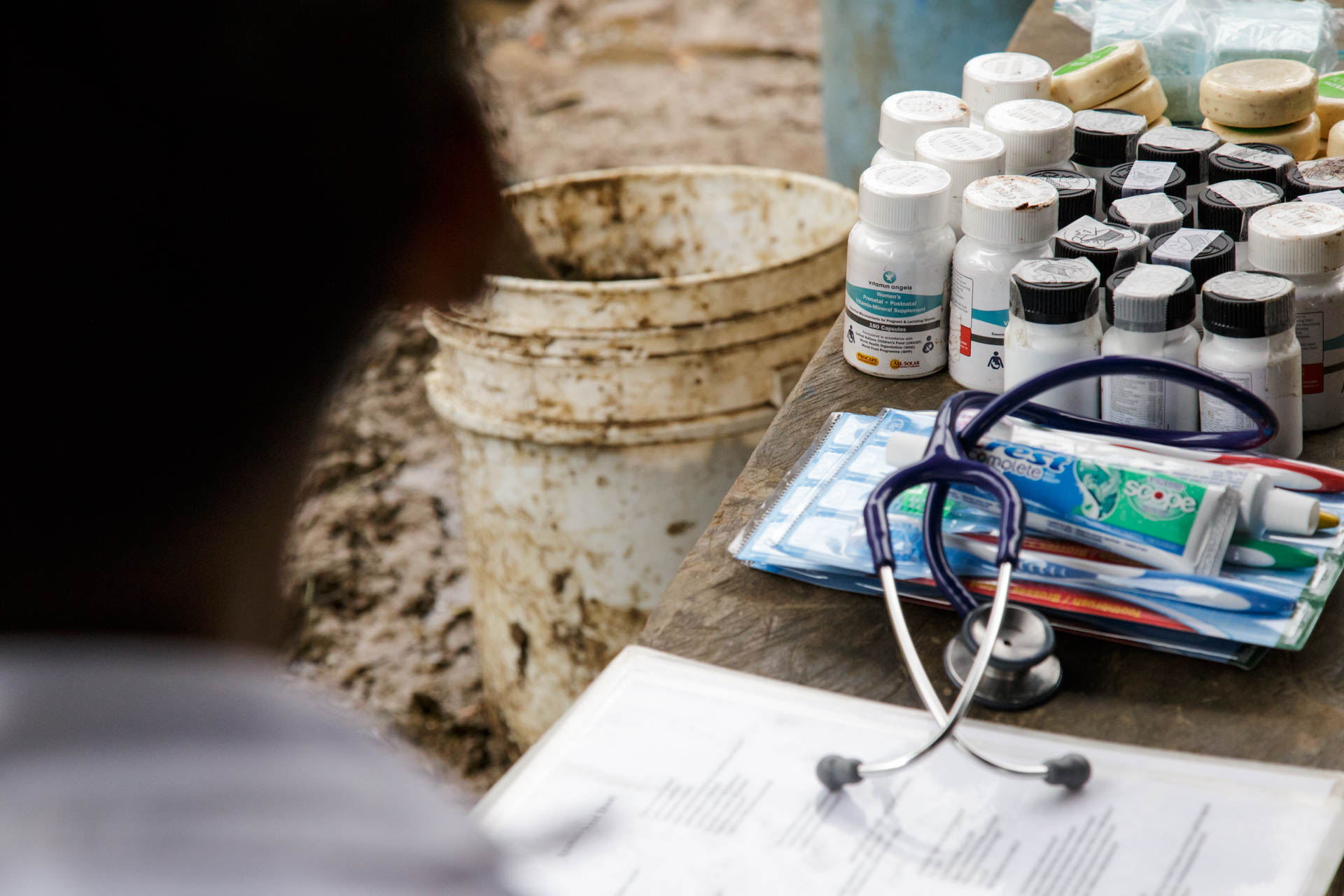
Floating Doctors, one of Vitamin Angels program partners, sends teams of medical workers stocked with nutrition interventions and deworming treatment to underserved communities across more than 10,000 miles of shoreline in Central America, including Grand Bahia. Their work is a powerful example of what becomes possible when dedicated partners go where the need is greatest.
Sagitu Island, Uganda
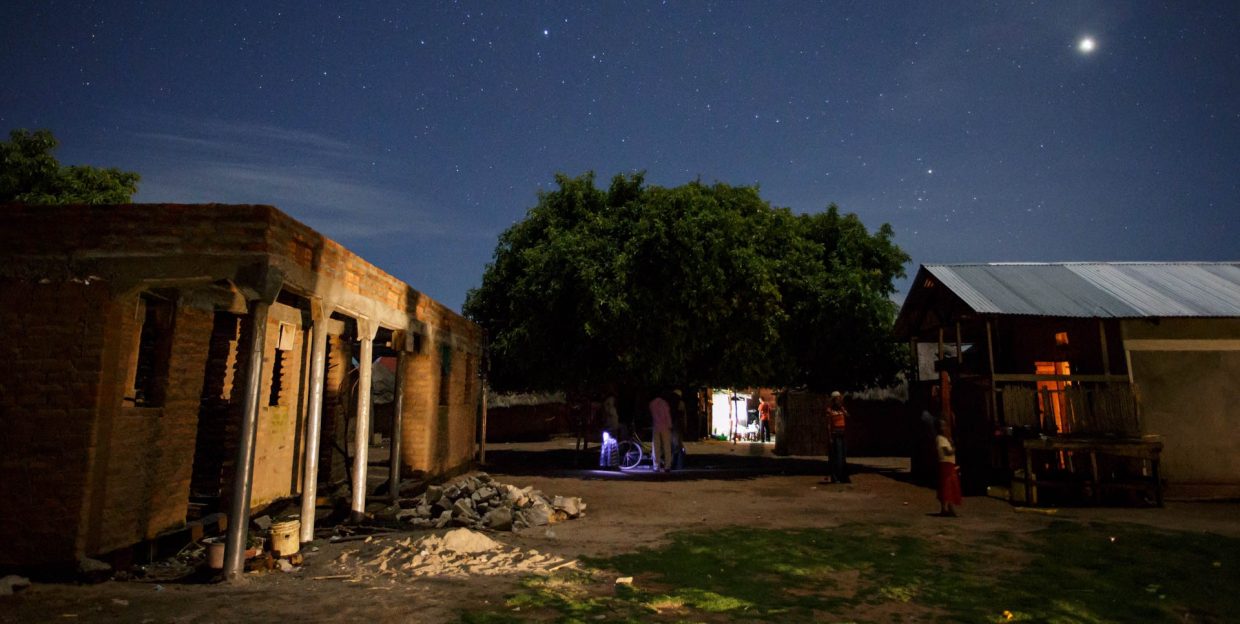
Sagitu Island straddles the border between Uganda and Tanzania on the northern shores of Lake Victoria. The island’s flat landscape, dotted with mud huts and thatched roofs, is a world away from formal health infrastructure. Though thousands of miles from Grand Bahia, the fishing community that calls Sagitu Island home faces many of the same access challenges.
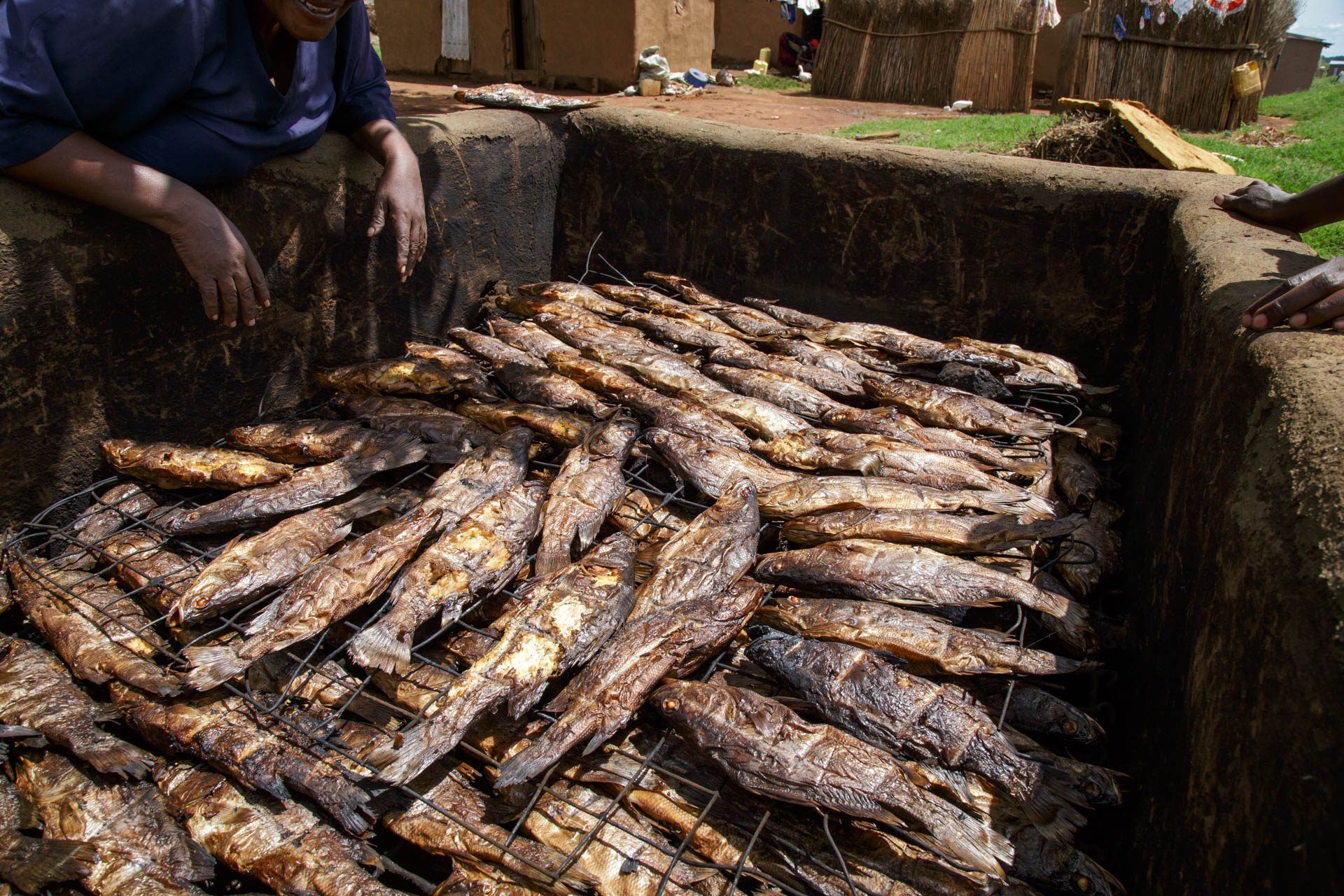
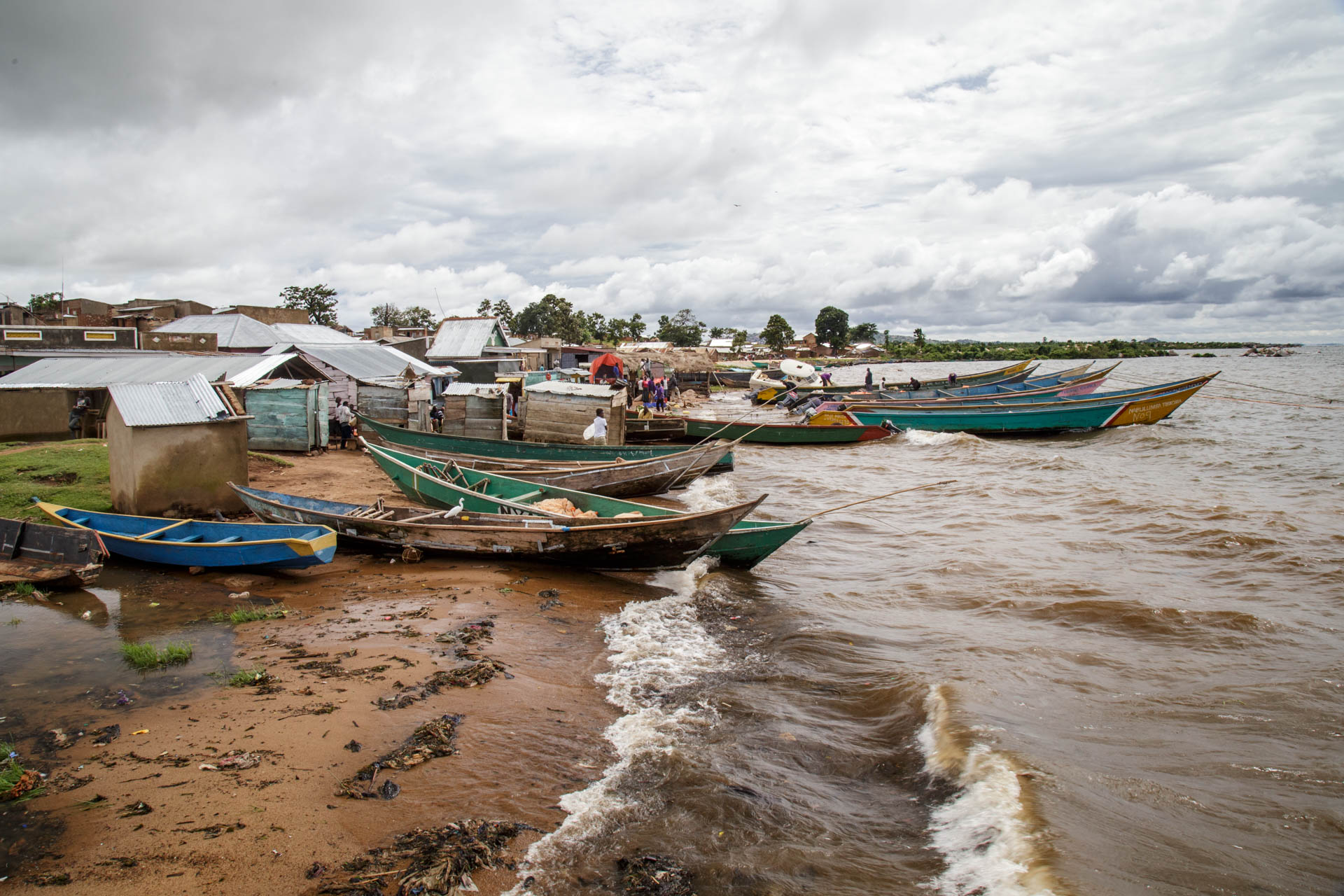
Access to health services is severely limited on the island, making it difficult to address illnesses or injuries. For pregnant women, reliable prenatal care is rarely available. The local diet, consisting largely of fresh or smoked fish supplemented by a few starchy crops, leaves significant nutritional gaps. Sanitation infrastructure is minimal as well: a shortage of latrines creates conditions where children risk contracting parasitic worms.
Providing prenatal vitamins and minerals, also known as multiple micronutrient supplementation (MMS), along with vitamin A supplementation and deworming treatment, helps fill critical gaps in access and supports improved health outcomes for women and children on the island.
India
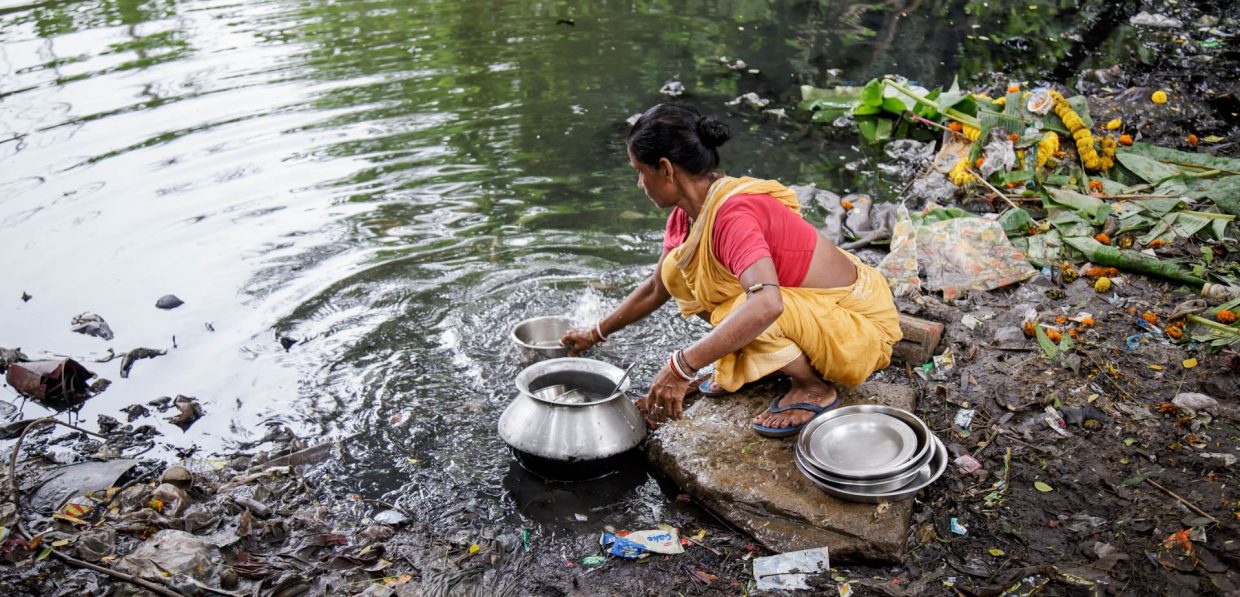
India is home to tens of millions of migrant workers who travel seasonally for agricultural work. Following the end of the monsoon season in late October, states including Maharashtra, Gujarat, and Karnataka become temporary homes for migrant families. These informal settlements often lack sufficient infrastructure, running water, and electricity.
Access to adequate living conditions and essential services is limited in these communities, and residents face health threats from contamination and poor hygiene. As settlements are considered temporary, government services often do not reach them. The harvest season can last up to six months, meaning families may go without basic services for long periods. There are no schools, so children spend the season working alongside their parents on the farms. A typical family meal might consist of little more than bajra rotis (pearl millet flatbread) and water.
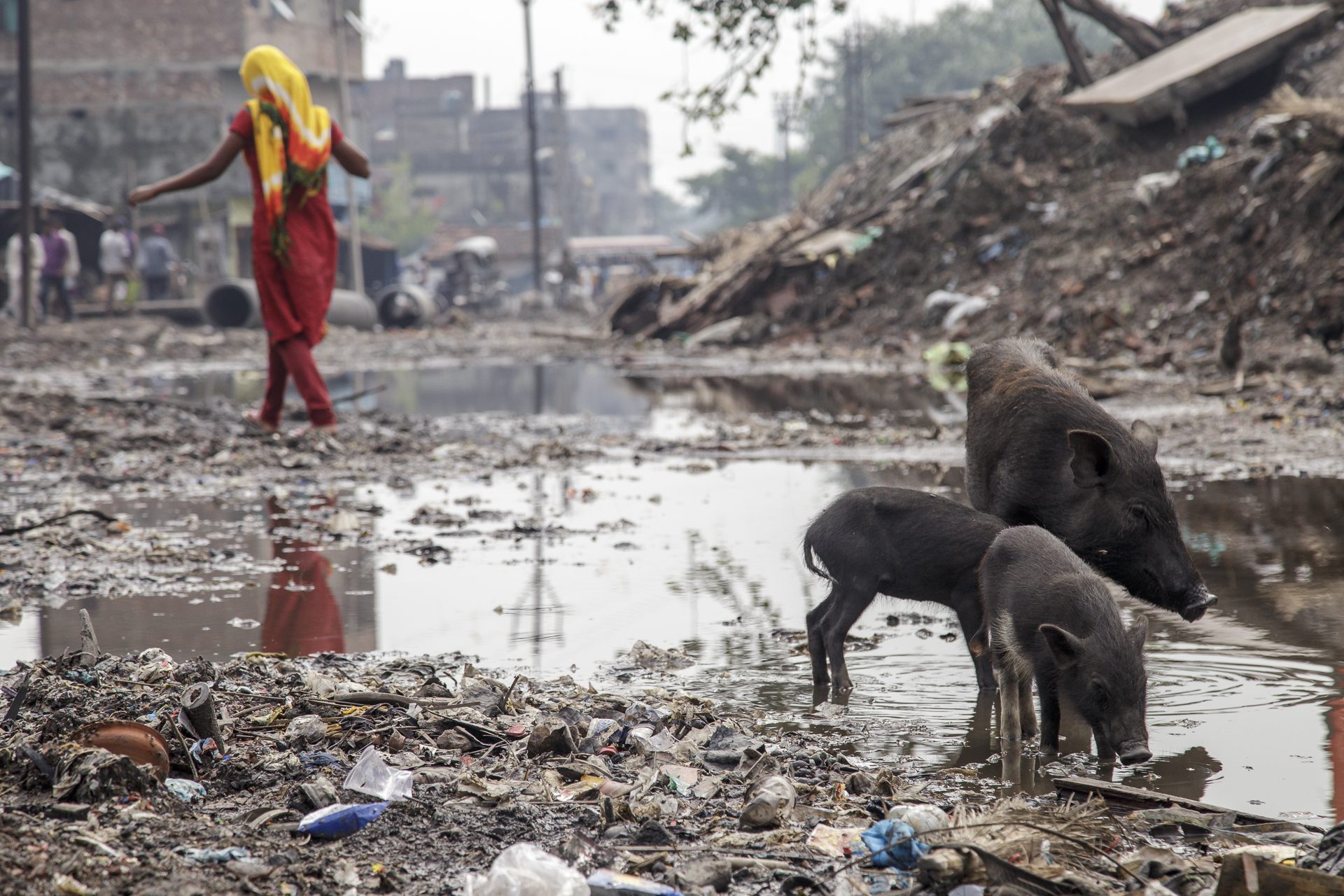
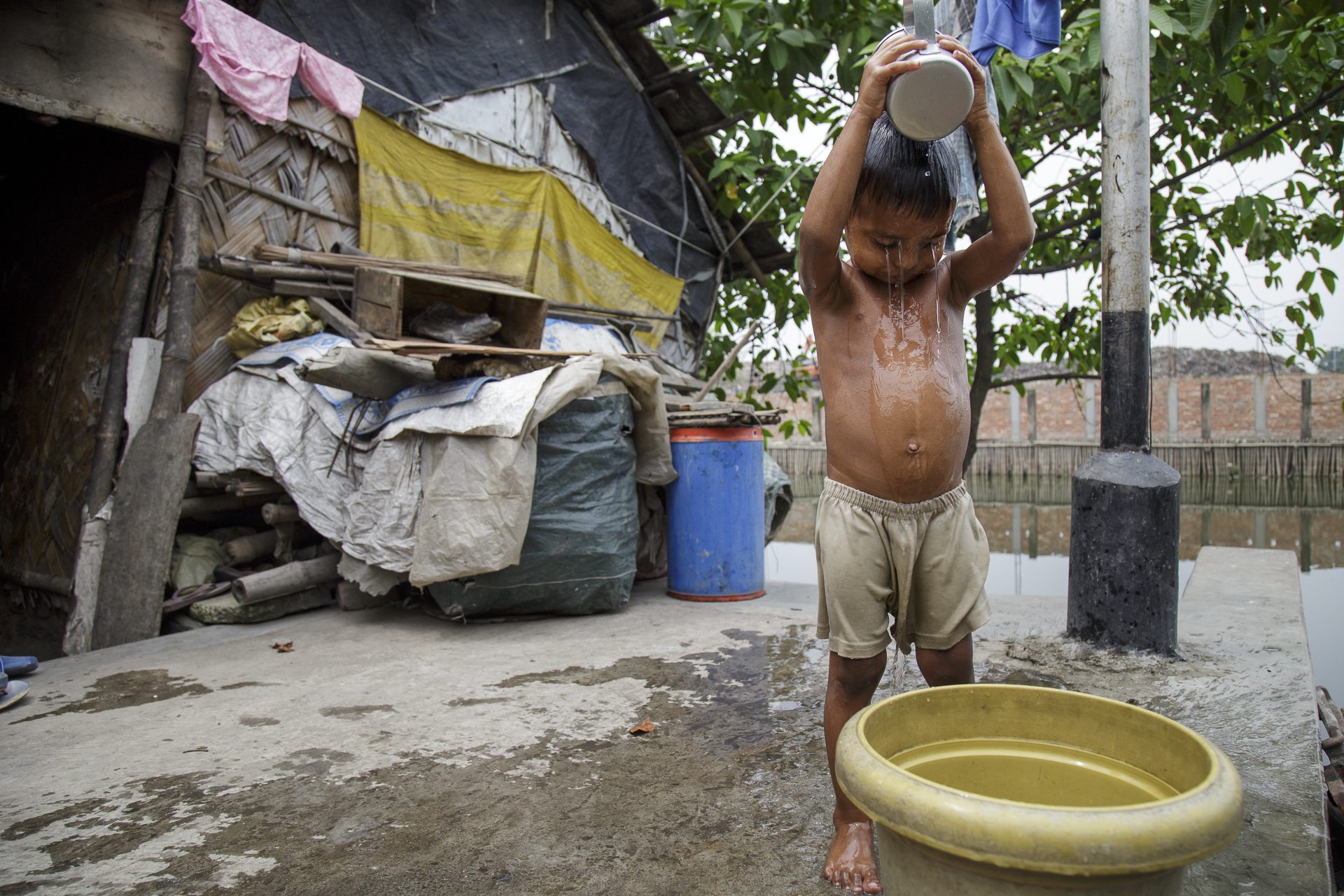
One of Vitamin Angels’ program partners working with these mobile communities began providing essential nutrition interventions to fill nutritional gaps and promote good health for migrant children and pregnant women in these settings.
Tanzania
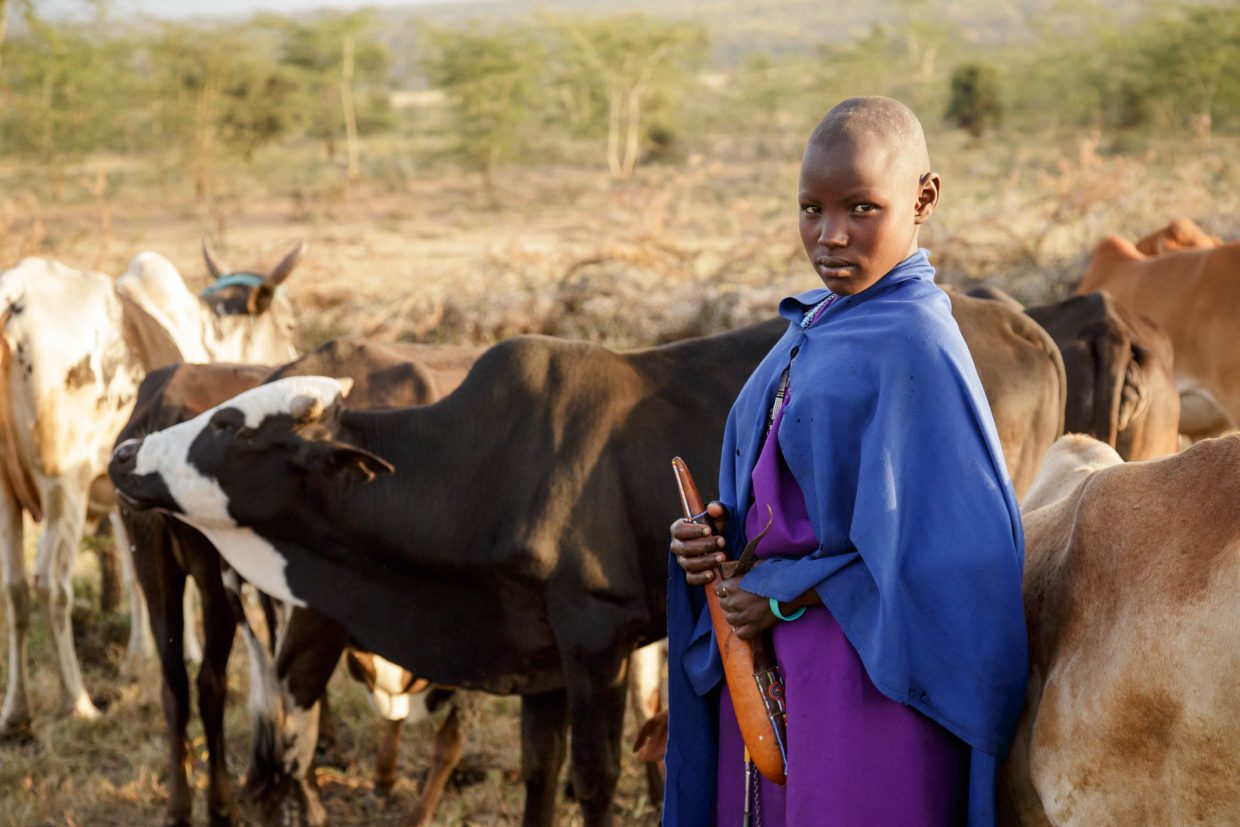
The Maasai people have called the plains of Tanzania home for generations, living off the land and raising cattle as their primary food source. In recent years, prolonged drought has killed off precious livestock and brought significant change to the community. Families have introduced farming despite a longstanding cultural tradition that the land is reserved for cattle, and community members have traveled to cities in search of work.
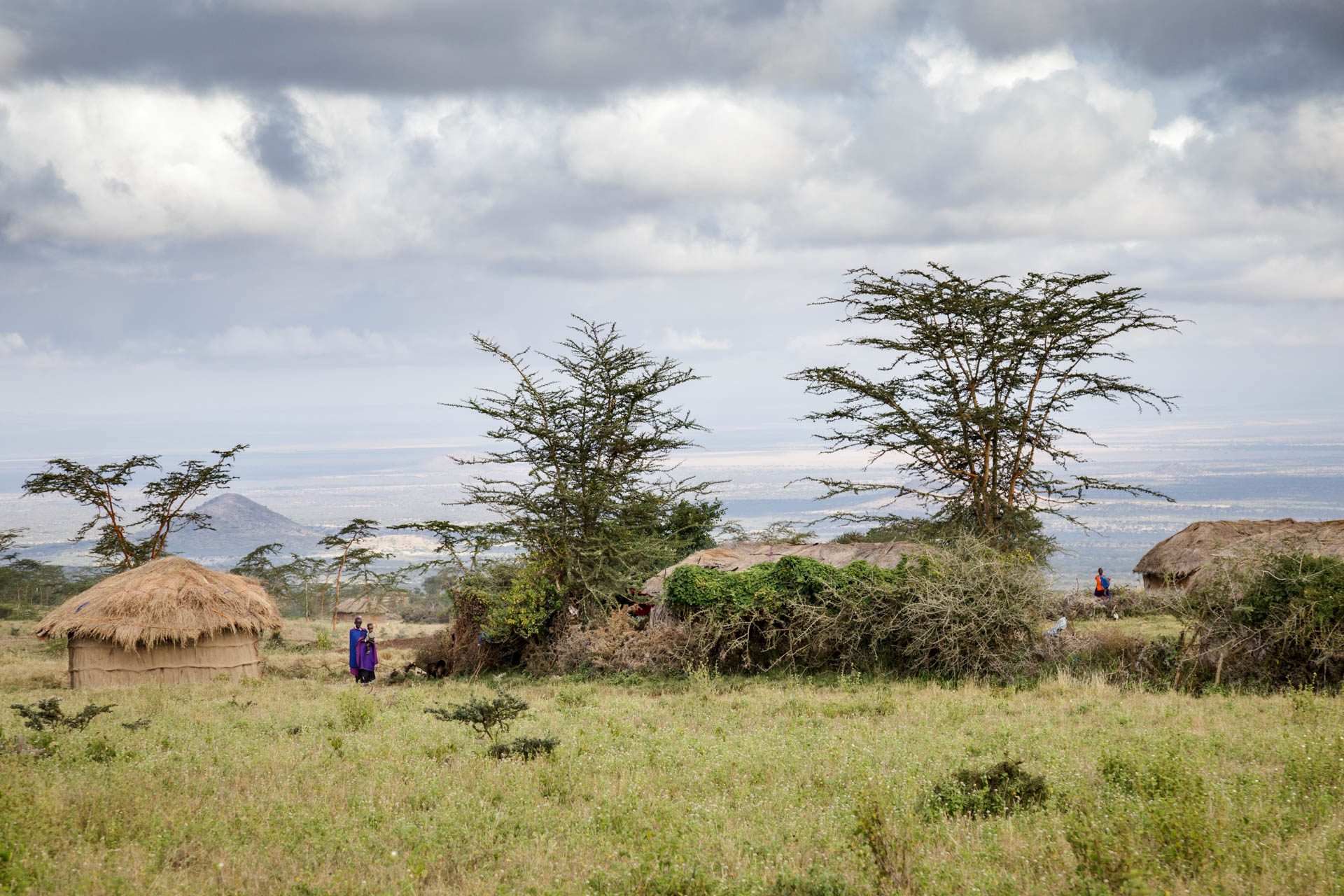
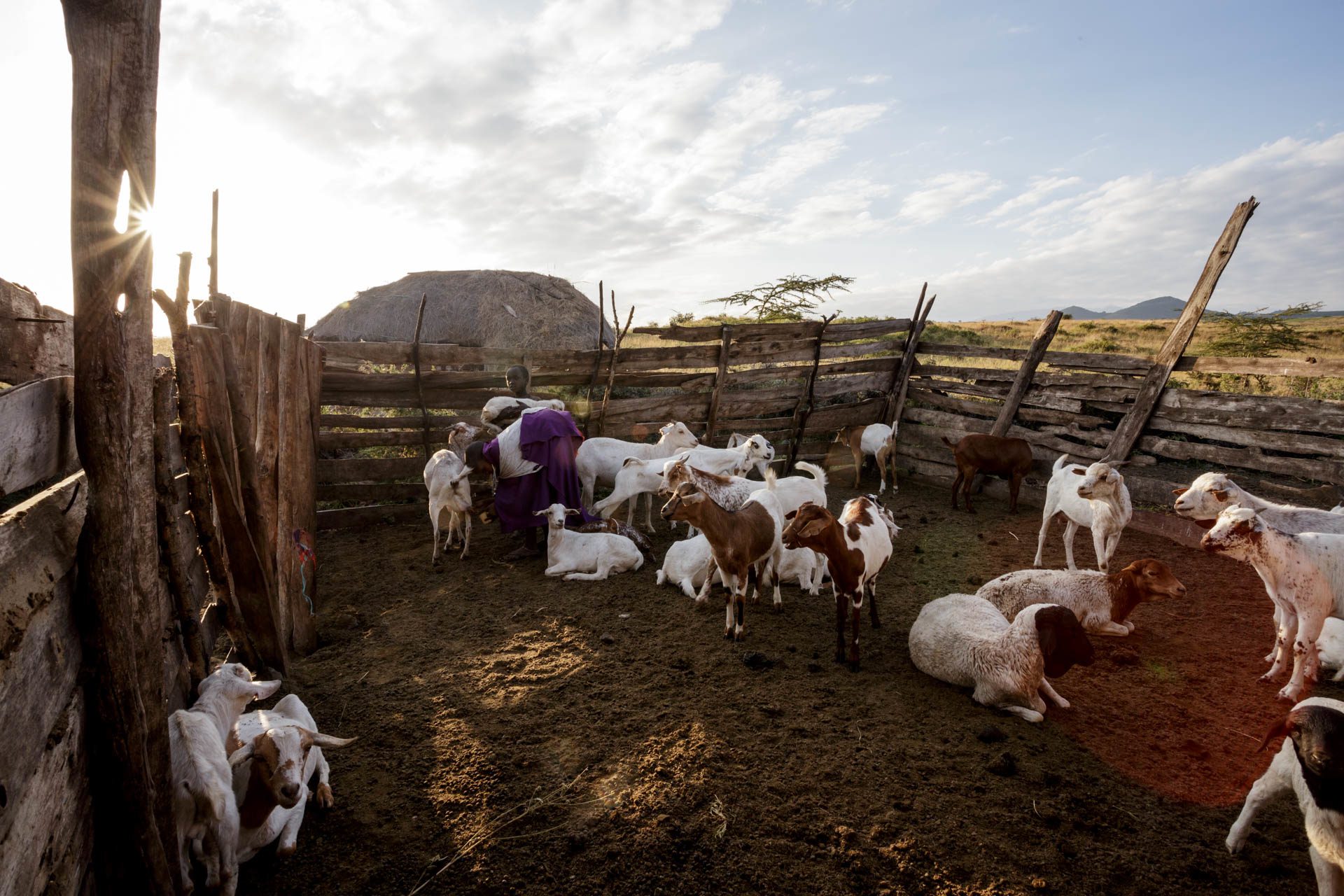
With help from Vitamin Angel’s program partners, some positive shifts are taking shape. Historically, pregnant women were advised to consume only milk and tea during pregnancy to avoid having a large baby. Today, perceptions around prenatal nutrition are changing. More women are accessing prenatal vitamins and minerals, and the results for mothers and babies are measurable. According to nurses at the Olmoti Clinic, a Vitamin Angels program partner, fewer babies are born prematurely and birth weights have increased.
A Network Built for Impact
Vitamin Angels works with an extensive network of program partners in about 65 countries, integrating into health systems to deliver essential nutrition services to the most underserved populations in the world. In 2025, we collectively reached more than 74 million women and children.
These stories are a small reflection of what’s possible when dedicated partners meet people where they are. Every community reached is a step toward a world where every woman and child has the health and support they need to thrive.