

In West Virginia, mothers, WIC staff, and local health partners are showing how proven nutrition solutions, trusted systems, and new ways of reaching families can help make a healthy start more accessible no matter where a mother lives.
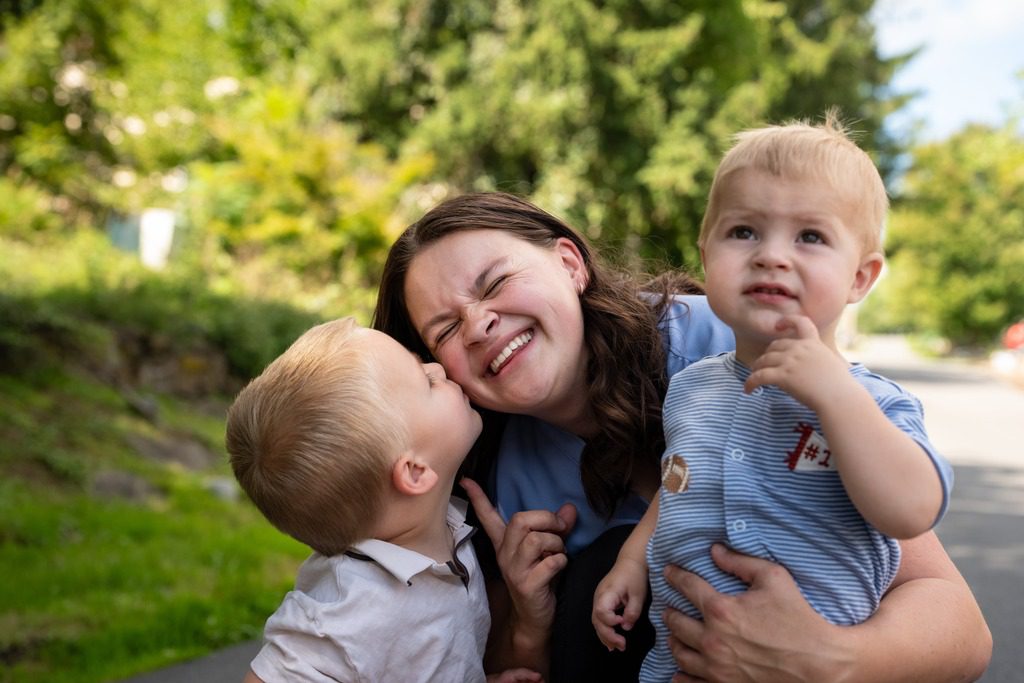
The morning Kylie Hunt sat down to talk about becoming a mother, she had some new information to share.
She had taken a pregnancy test that morning.
It was positive.
For Kylie, 28, the news carried particular meaning. Before her son Owen was born, she and her husband had experienced two miscarriages and spent nearly two years trying to have a baby. During her pregnancy with Owen, she remembers waiting to let herself believe it was real.
Then she began to feel him move.
“He never stopped,” she remembers. He had hiccups. A foot that seemed permanently lodged in her ribs. Eventually, the pregnancy that had once felt so uncertain brought them Owen, now an energetic 18-month-old who loves smoothies, the park, and swim lessons.
“I didn’t think your heart could grow that big,” Kylie says of becoming a mother. “And it just grows a hundred times.”
At the time, Kylie and her husband lived far from family. They had moved from Utah while he attended medical school, and money was tight. The Special Supplemental Nutrition Program for Women, Infants, and Children (WIC) provides nutritious foods, nutrition education, breastfeeding support, and health care referrals to low-income pregnant, postpartum, and breastfeeding women, infants, and children under five who are at nutritional risk. Monongalia County WIC became an important source of support, providing access to nutritious foods, counseling, and something Kylie had struggled to find on her own: a prenatal vitamin she could actually take.
“With my toddler, I took the Vitamin Angels prenatal, and that was the only prenatal I could take,” she says. “Otherwise, I would throw up everything.”
Vitamin Angels works with trusted partners around the world and across the United States to expand access to proven nutrition interventions for women and children. In West Virginia, that work is rooted in partnerships with WIC providers that already serve as trusted sources of nutrition, care, and support for families.
When science meets everyday life
Kylie’s experience points to something simple but important: access to a nutrition intervention is only part of the equation. It also has to work in the realities of a woman’s life.
That principle is central to the Vitamin Angels 2030: Science. Systems. Scale. strategy, which uses evidence to advance effective nutrition solutions, works through strong local systems to make them accessible, and expands approaches that can sustainably reach more women and children.
In West Virginia, that strategy is taking shape through longstanding partnerships with WIC providers serving families across the state.
For pregnant women, the science becomes very practical. Monongalia County WIC Director and registered dietitian Cami Haught describes the prenatal vitamins provided through Vitamin Angels as easy to swallow, with nutrients in amounts appropriate for pregnancy, including iron. This is particularly important because some prenatal gummies do not contain it.
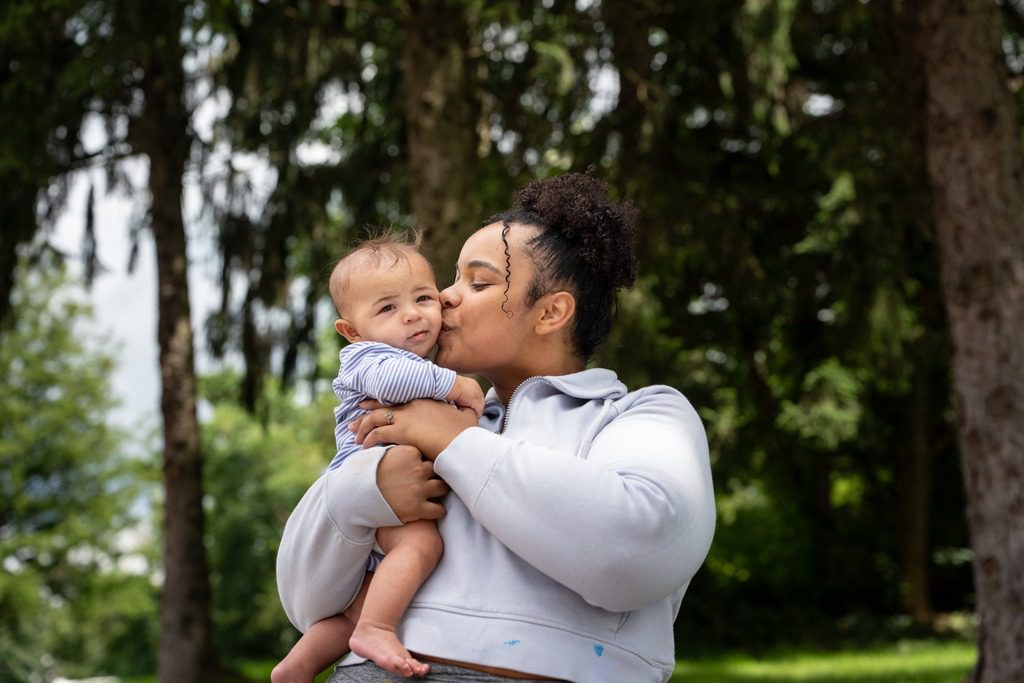
That experience was echoed by other mothers in Morgantown. Beth, who had struggled with prenatal vitamins that made her sick, says she was able to take the Vitamin Angels prenatal every day and continued using it while breastfeeding.
During pregnancy, Carin Ocasio, 22, had little appetite. She had begun skipping the chewable prenatal her doctor had provided because she disliked taking it. At WIC, she switched to the Vitamin Angels prenatal.
“The Vitamin Angels prenatal, they’re very small, so they were easy to swallow,” she says. “These ones were super easy to just take in the morning with my water and go about my day. I didn’t even have to think about it again.”
Different women. Different pregnancies. The same practical lesson: Free access helped put prenatal vitamins within reach. But for Kylie, Beth, and Carin, finding a prenatal they could take consistently made that access meaningful.
A trusted door into care
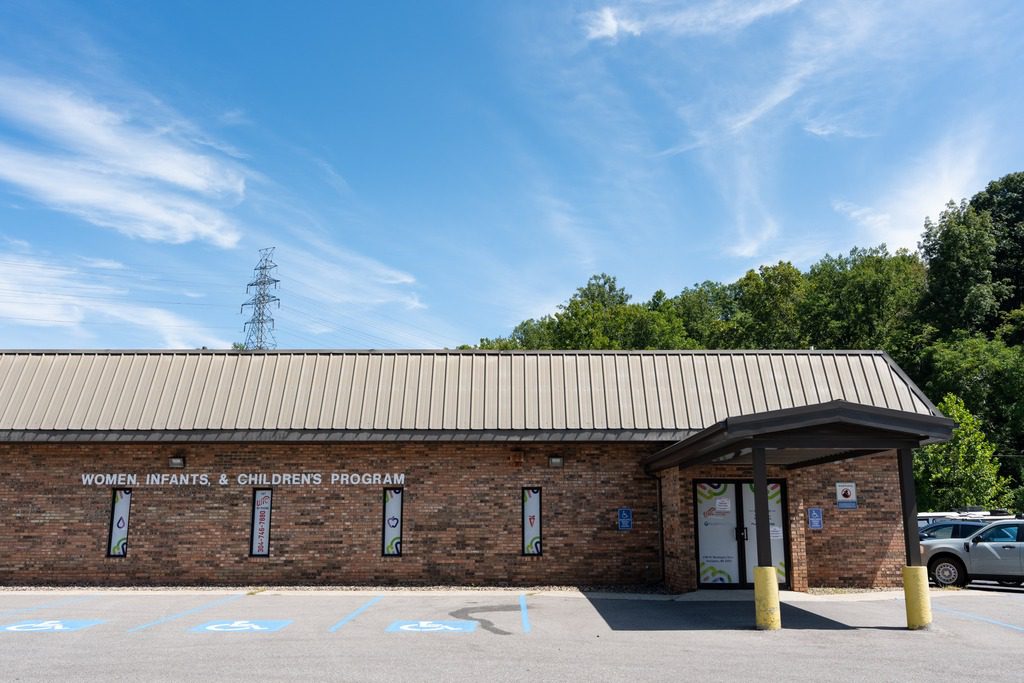
In West Virginia, WIC can be one of the first places a woman turns after learning she is pregnant. Sometimes, staff say, it is the first place she tells anyone outside her home.
“We may be the first person that she’s telling in the community that she’s pregnant,” says Jenna Rose, a registered dietitian and nutrition coordinator with Valley Health WIC. “She may have not seen a doctor yet, maybe even not told her family.”
That makes the system surrounding nutrition interventions especially important.
At Monongalia County WIC, one visit can connect a mother with nutrition counseling, iron screening, breastfeeding support, perinatal mental health screening, lead testing, and other services. Staff may be able to start a newly pregnant woman on prenatal vitamins before she has even had her first prenatal care appointment.
The relationships matter, too.
“We are a very trusted source of support because the majority of our staff are parents,” Cami says. “They understand what you’re living right now.”
That trust can extend well beyond pregnancy.
Anna Ash, a breastfeeding peer counselor and certified perinatal mental health professional at Monongalia County WIC, helped develop a process for postpartum depression screening when she discovered her program needed one. Hospital liaison Trisha Sanders works to enroll mothers at their bedsides after delivery, including families who have traveled hours because Morgantown is home to one of the state’s few NICUs.
Vitamin Angels’ role is to strengthen and complement this existing network of care. The prenatal vitamins fit into a system where trusted local professionals already know their communities, understand the barriers families face, and can connect nutrition with a much broader circle of support.
As Anna puts it, pairing the prenatal vitamins with WIC creates “more of a whole health support than just supplemental nutrition.”
Making distance matter less
Across West Virginia, having services available does not always mean they are easy to reach.
Staff describe winding mountain roads, long drives, clinics that may open only once a week, and winter conditions that can make travel difficult for weeks. Some families travel more than an hour for groceries or health services. Scaling becomes more than a question of numbers, it becomes a question of how to make an existing system work for more people.
At Valley Health, a direct-ship option is being piloted through the partnership to help reach women who may not be able to make it to a clinic. Staff can enroll a participant by phone and have prenatal vitamins sent directly to her home, including during the postpartum period, when a breastfeeding mother may still need nutritional support but getting to an appointment can be difficult.
“Direct ship really opens up an opportunity to serve more participants with Vitamin Angels,” Jenna says.
Today, Monongalia County WIC and Valley Health Systems are helping extend access to prenatal vitamins across 21 West Virginia counties, while approaches such as direct shipping offer a pathway to reach families beyond the clinic walls.
It is an example of what the Vitamin Angels 2030: Science. Systems. Scale. strategy can look like in practice: a nutrition product informed by evidence, delivered through trusted local systems, and adapted so that geography, transportation, and the demands of daily life do not have to determine who can benefit.
Another beginning
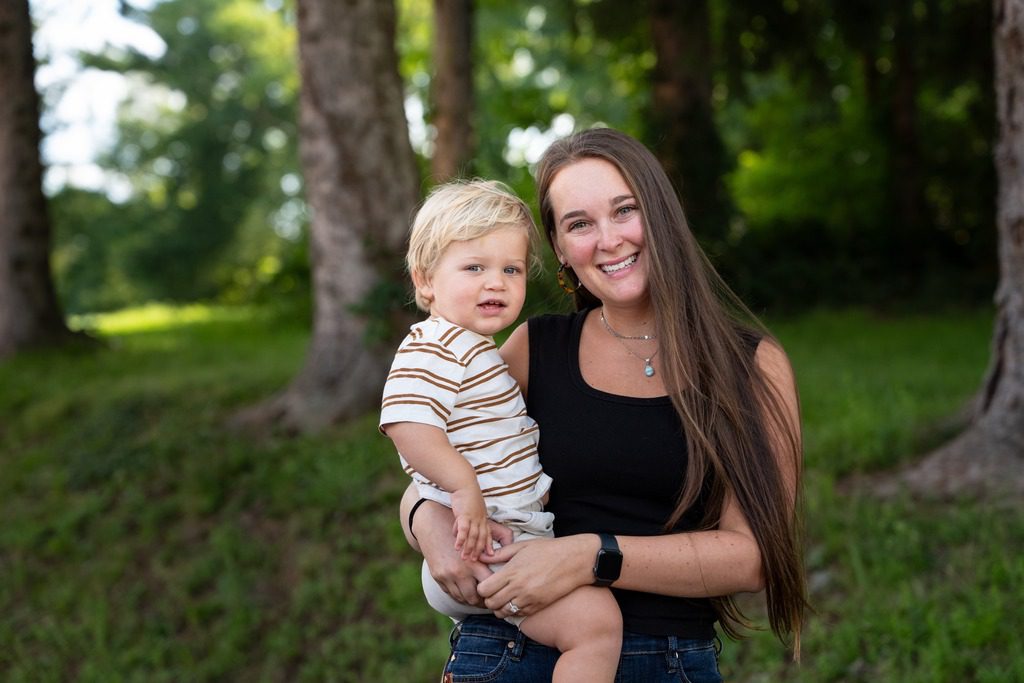
For Kylie, those systems once helped support a pregnancy she had waited years to experience.
Today life looks different.
Her husband is now an ENT resident. Kylie gets up at 3:30 in the morning to help get him out the door. Owen, mercifully, sleeps until around 8:30. Their days are filled with smoothies, parks and swim lessons. Kylie has built a community of other young mothers around her in Morgantown, a place where, she says, she feels “very loved and supported.”
And now, there is that positive pregnancy test.
A second baby. This time Kylie begins with experience, a community around her, and access to support she already knows.
Across West Virginia, Vitamin Angels works alongside partners so more women can begin their own journeys with that same foundation: science they can trust, systems that meet them where they are, and solutions designed for maximum impact.